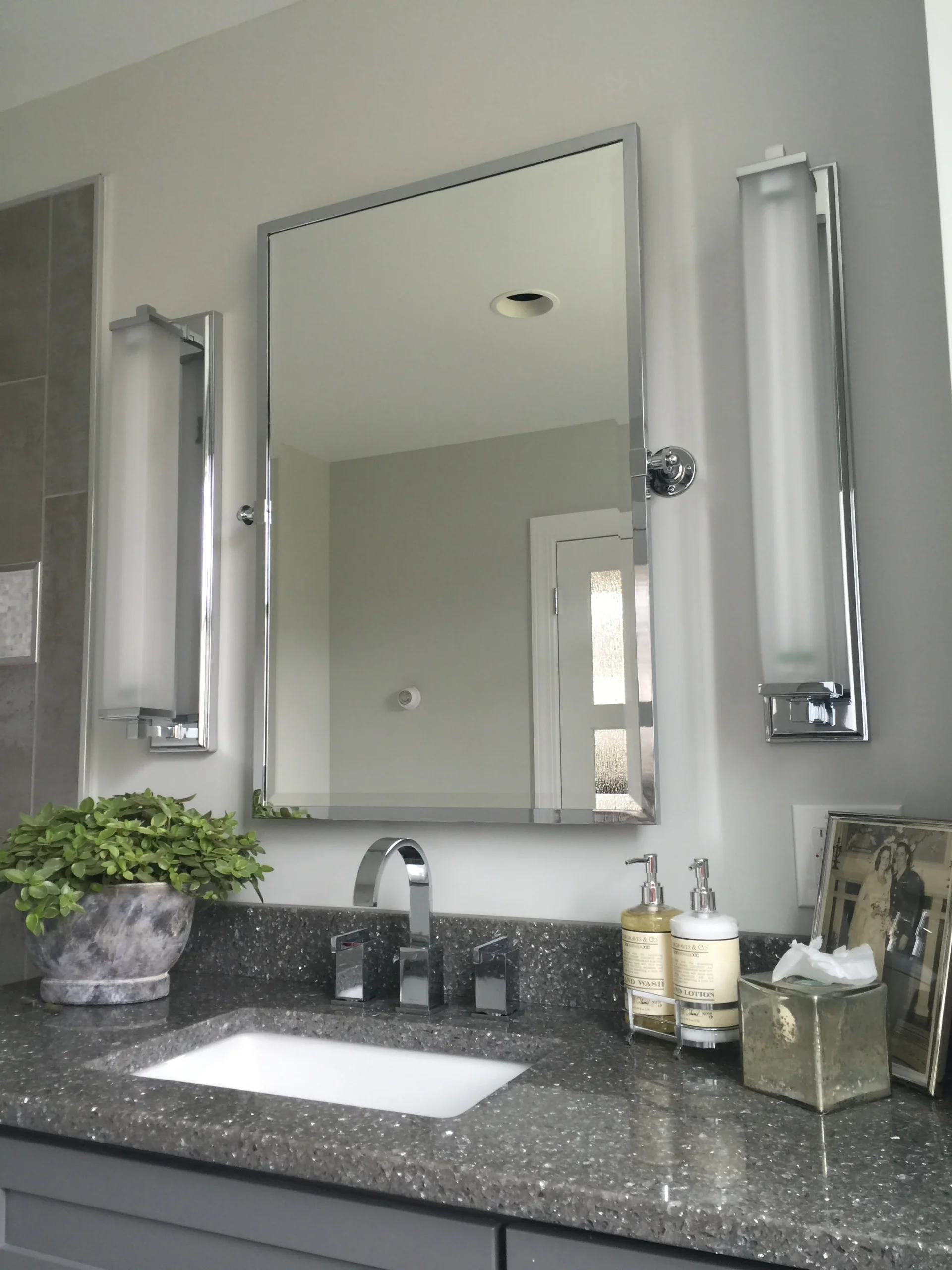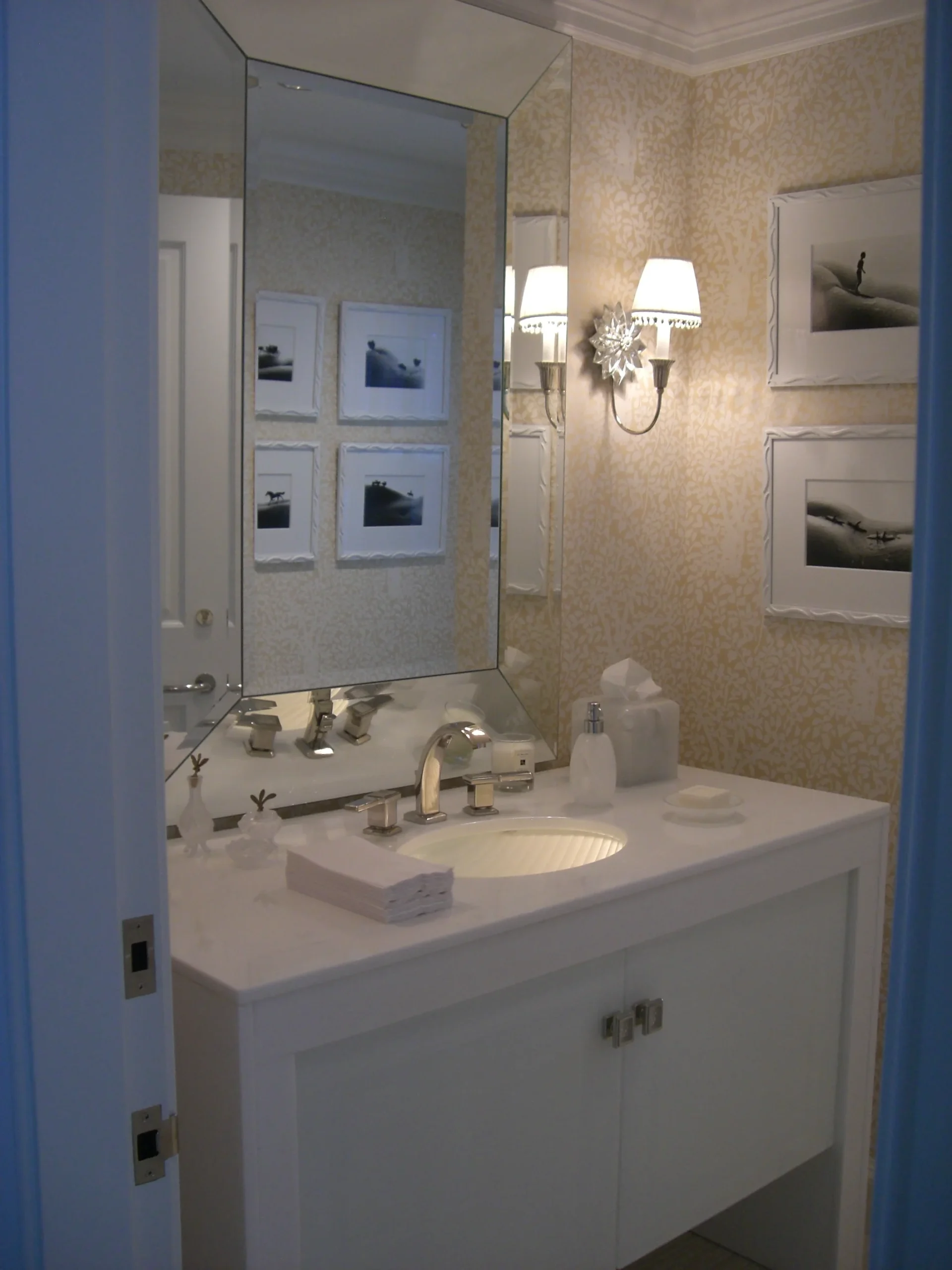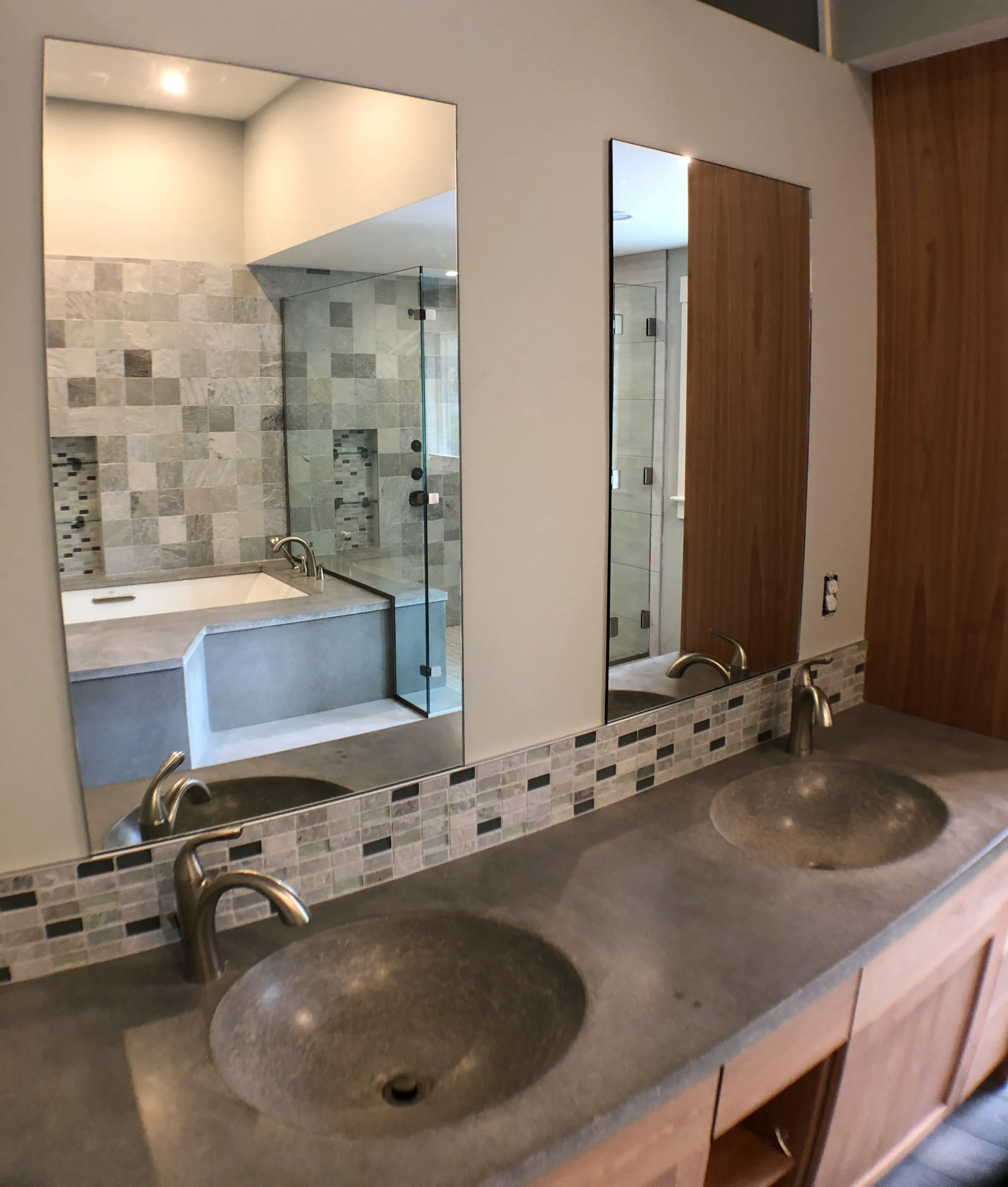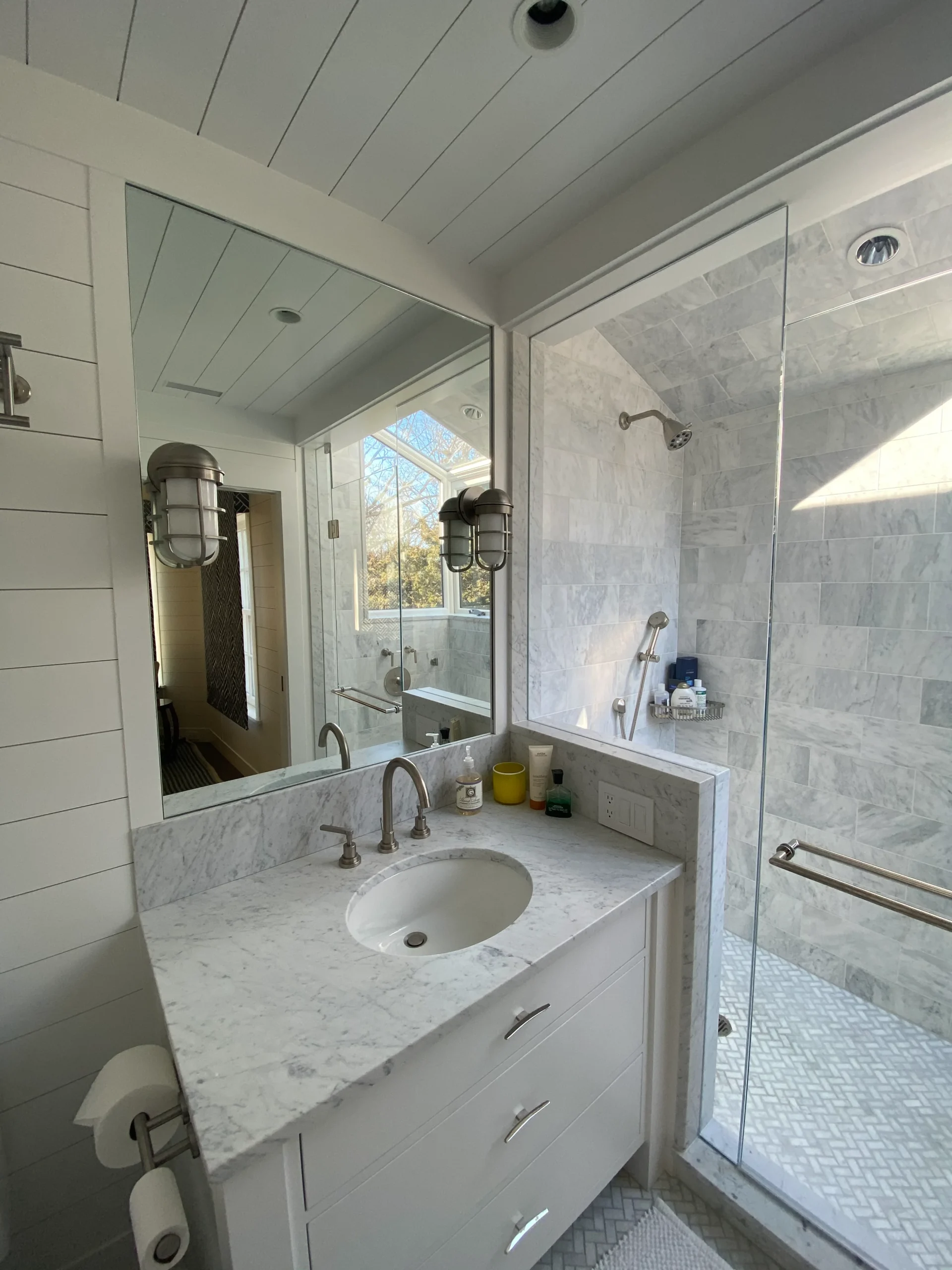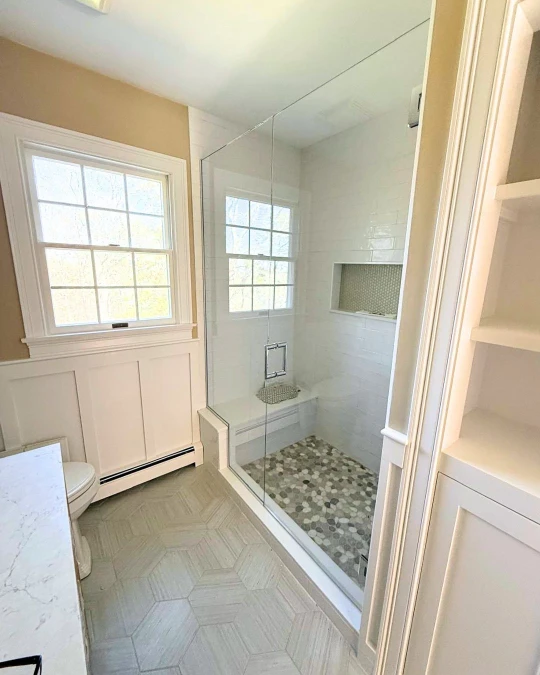

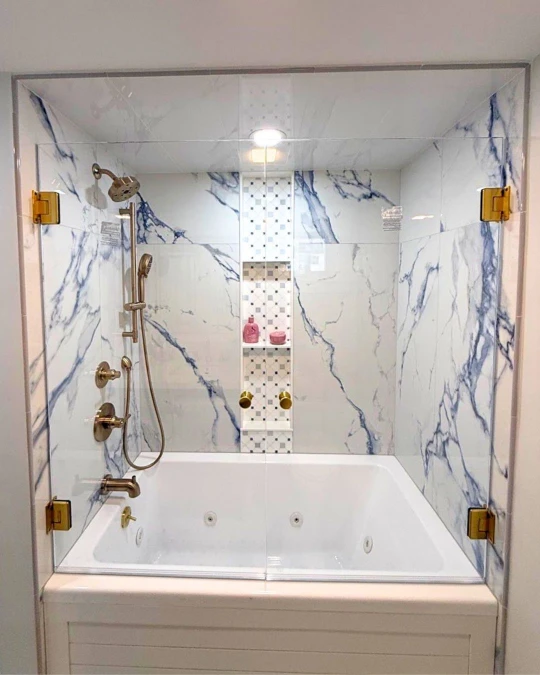

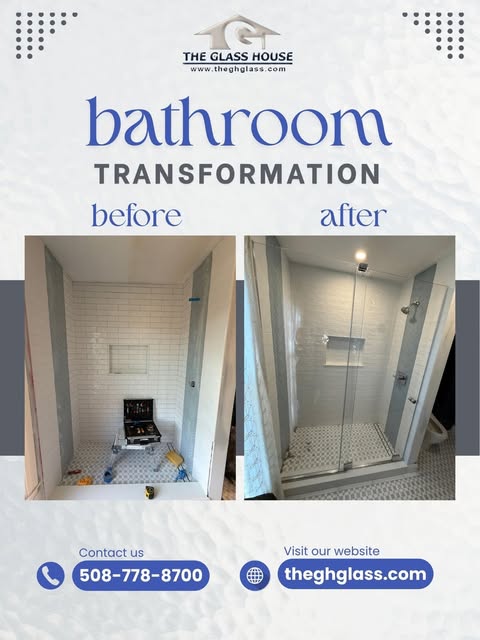
Our pillar guide opens with a scene most real estate agents will recognize immediately: “a prospective buyer walks into a master bathroom and encounters a flawlessly installed frameless glass shower enclosure. The room immediately reads as larger, lighter, and more considered.” That’s an evocative image, but it raises a fair question for anyone weighing the cost of a frameless upgrade against a framed one: does that reaction actually translate into home value, or is it just a nice moment during a showing?
The pillar guide backs the claim with a number +68% buyer preference for frameless showers cited in its own value-band stat callout. This guide unpacks what that number actually means, where the preference shows up in practice, whether it moves formal appraisal value or just buyer perception, and what it’s worth even if you’re not planning to sell anytime soon.
The pillar guide cites a 68% buyer preference for frameless over framed shower enclosures. This post unpacks where that preference shows up in practice showings, appraisals, and buyer walk-throughs and what it means for ROI on a bathroom remodel.
The Buyer-Preference Number, Explained
+68% Buyer preference for frameless over framed shower enclosures
A “68% buyer preference” figure describes a comparative preference between two options presented side by side buyers shown a frameless enclosure and a framed one preferred the frameless option at roughly that rate. It’s a real and meaningful signal about aesthetic preference. What it isn’t is a guarantee of a specific dollar increase in a home’s sale price preference data and appraisal value are related but distinct things, which is exactly what the next section digs into.
📊Worth Noting
This figure appears in our own pillar guide as a standalone stat without a cited source or methodology. If you have the original survey or study behind it, adding that citation to the pillar page would meaningfully strengthen its credibility both for readers and for AI systems that increasingly favor sourced statistics over unattributed ones.
Where This Shows Up During a Real Home Showing
Preference data becomes concrete in a few specific, observable moments during an actual showing or listing process:
- The first-impression moment our pillar guide describes: A frameless enclosure removes the visual clutter of a shower curtain, framed door hardware, or an opaque door panel the room reads as larger and more finished the instant a buyer walks in, before they’ve consciously evaluated anything.
- Listing photography: Glass doesn’t block sightlines the way a framed door or curtain does, which matters enormously in real estate photography wide-angle bathroom shots read as more spacious and let tile, fixtures, and natural light carry the image instead of being partially obscured.
- The “nothing left to do” signal: A frameless enclosure reads as a completed, considered renovation rather than a placeholder fixture it reduces a buyer’s mental list of “things I’d want to change,” which matters as much psychologically as it does aesthetically.
- Staging simplicity: There’s no curtain to stage, no track to clean, no framed door to keep spotless before a showing one less thing for a seller’s agent to manage before every visit.
Does It Actually Move Appraisal Value, or Just Buyer Perception?
Mostly perception and that’s worth being direct about rather than overselling. Formal appraisals are built primarily from comparable sales data and standardized adjustment categories; a licensed appraiser typically isn’t itemizing “frameless glass” as its own line item the way they would square footage or bedroom count. Glass type falls under the broader “bathroom quality/condition” adjustment, alongside tile, fixtures, and overall finish level.
What It’s Not
A Guaranteed Appraisal Line Item
No appraisal report we’re aware of breaks out “frameless vs. framed shower door” as its own itemized value adjustment it’s absorbed into a broader bathroom-quality assessment.
What It Actually Is
A Buyer-Perception & Speed-of-Sale Factor
Where it shows up is in buyer competition, days on market, and how a bathroom reads relative to other comparable listings factors that influence final sale price indirectly rather than through a formal appraisal adjustment.
For a property-specific answer on what a bathroom upgrade might mean for your home’s value, a local real estate agent or licensed appraiser familiar with recent comparable sales in your area will give you a far more accurate read than any general guide can including this one.
Is Frameless Worth It If You’re Not Selling Soon?
If resale isn’t the near-term goal, the value case shifts from “buyer preference” to daily quality of life and it’s arguably a stronger case. A frameless enclosure is something you interact with, literally, every day the space is in use. The spa-like feel our pillar guide describes isn’t a showing-day performance; it’s a daily one.
There’s also a durability angle worth considering: frameless glass, low-iron treatments, and neutral hardware finishes tend to look current for longer than trend-driven fixtures do, which means the eventual resale benefit is still there whenever you do decide to sell you’re not racing a design trend’s expiration date the way you might be with a more fashion-forward finish choice.
What Real Estate Agents Say About Bathroom Glass Upgrades
We don’t have permission to attribute specific quotes to named agents here, so we’ll keep this to the themes that come up consistently in conversations with agents who list luxury and coastal properties on Cape Cod:
- Primary bathrooms get disproportionate attention: Relative to their square footage during a showing buyers linger there, and first impressions form quickly.
- Dated shower enclosures are a common “mental deduction”: Buyers make when touring a home even when nothing else in the bathroom needs work, a framed or curtained shower can read as an unfinished detail.
- Move-in-ready framing matters: In a competitive market agents consistently report that finished, updated bathrooms reduce buyer hesitation and negotiation friction, even if it’s difficult to isolate the glass itself as the specific cause.
If you work with a listing agent before a remodel decision, ask them directly what they’re seeing in your specific local market that conversation will be more useful than any general industry trend for your particular sale timeline.
A frameless shower enclosure is a genuine buyer-preference signal backed by real data, even if that data describes perception more precisely than it describes a guaranteed appraisal number. For the full case on frameless configurations, revisit the introduction and Chapter 1 of our Complete Guide to Custom Glass Shower Doors & Enclosures.